Virtual Private Networks (VPNs) have become essential tools for online privacy, security, and unrestricted internet access. Whether you’re working remotely, streaming content, or browsing on public Wi-Fi, a VPN helps protect your data and identity. But one big question always comes up: Should you use a free VPN or pay for one?
Let’s break down the real differences so you can decide what’s right for you.
What a VPN Actually Does
At its core, a VPN encrypts your internet connection and routes it through a secure server, hiding your IP address and protecting your data from hackers, trackers, and prying eyes. This makes VPNs especially valuable for:
- Securing public Wi-Fi connections
- Protecting personal data and privacy
- Accessing geo-restricted content
- Preventing ISP tracking
Both free and paid VPNs promise these benefits — but how well they deliver varies a lot.
Free VPNs: The Pros and Cons
✅ Advantages of Free VPNs
Free VPNs are appealing because, well, they’re free. They can be useful for:
- Light, occasional browsing
- Testing how a VPN works
- Very basic privacy needs
For users who only need temporary protection, a free VPN might seem like a quick fix.
❌ Drawbacks of Free VPNs
The downsides are where free VPNs really show their limits:
- Limited data and speed: Most free VPNs cap your monthly usage and throttle speeds.
- Fewer server locations: This can lead to overcrowded servers and poor performance.
- Weaker privacy: Some free VPNs log user data or even sell it to advertisers.
- Security risks: Not all free VPNs use strong encryption or reliable protocols.
- Ads and pop-ups: Many free services rely on ads to generate revenue.
In short, if you’re not paying with money, you may be paying with your data.
Paid VPNs: Why They’re Worth It
✅ Advantages of Paid VPNs
Paid VPN services are built for performance, privacy, and reliability:
- Unlimited bandwidth and fast speeds
- Large server networks worldwide
- Strict no-logs policies
- Advanced security features (kill switch, split tunneling, malware protection)
- Support for streaming, gaming, and torrenting
- 24/7 customer support
Because paid VPNs rely on subscriptions, they don’t need to monetize user data — a huge win for privacy.
❌ Potential Downsides
The main downside is cost, but most premium VPNs are affordable, especially with long-term plans. Many also offer free trials or money-back guarantees, reducing the risk of trying one out.
Security and Privacy: The Biggest Difference
This is where paid VPNs clearly outperform free ones. Premium VPN providers invest heavily in:
- Strong encryption standards
- Regular security audits
- Transparent privacy policies
Free VPNs, on the other hand, may lack transparency or proper safeguards, making them a risky choice for sensitive activities like online banking or remote work.
Which One Should You Choose?
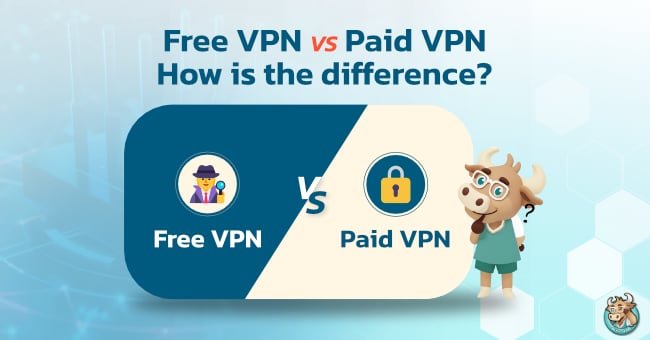
- Choose a free VPN if you only need short-term access and aren’t handling sensitive data.
- Choose a paid VPN if you care about privacy, speed, security, and consistent performance.
For most users, a paid VPN is the safer and smarter long-term solution.
Final Verdict
While free VPNs can serve a basic purpose, they come with limitations and potential risks that users should not ignore. Paid VPNs offer stronger security, better performance, and peace of mind — making them the preferred choice for anyone serious about online privacy.
In today’s digital world, protecting your data isn’t just a luxury — it’s a necessity. And when it comes to VPNs, you truly get what you pay for.