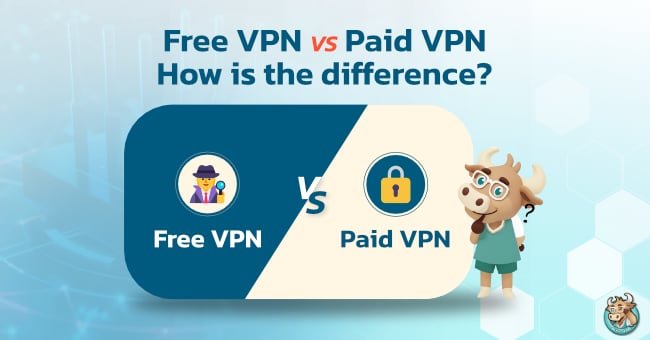
With cyber threats becoming more advanced every year, antivirus software is no longer optional — it’s essential. From malware and ransomware to phishing attacks and spyware, today’s digital landscape is full of risks. But when it comes to protection, users often face the same question: Is free antivirus software enough, or is paid antivirus worth the investment?
Let’s take a closer look at how free and paid antivirus solutions compare.
What Antivirus Software Does
Antivirus software protects your system by detecting, blocking, and removing malicious programs. Modern antivirus tools go far beyond basic virus detection and often include:
- Real-time threat monitoring
- Protection against malware, spyware, and ransomware
- Web and email security
- Safe browsing and download scanning
Both free and paid versions offer protection — but not at the same level.
Free Antivirus: Pros and Cons
✅ Advantages of Free Antivirus
Free antivirus software can be a good starting point, especially for casual users:
- No cost involved
- Basic malware and virus protection
- Easy to install and use
- Suitable for low-risk browsing habits
For users who primarily browse trusted websites and avoid risky downloads, free antivirus can provide a basic safety net.
❌ Limitations of Free Antivirus
The drawbacks become clear once threats get more sophisticated:
- Limited features (often no ransomware, firewall, or phishing protection)
- Frequent upgrade prompts and ads
- No customer support
- Slower updates or delayed threat detection
- Minimal protection against zero-day attacks
Free antivirus software typically focuses on known threats, leaving gaps in advanced protection.
Paid Antivirus: What You Get for the Price
✅ Benefits of Paid Antivirus Software
Paid antivirus solutions are designed for comprehensive security:
- Advanced threat detection and AI-based protection
- Real-time ransomware and phishing defense
- Firewall and network protection
- Secure browsing, email protection, and password managers
- Automatic updates and priority support
- Protection for multiple devices
Premium antivirus programs actively prevent attacks rather than just reacting to them.
❌ Potential Downsides
The main downside is the subscription cost. However, most paid antivirus plans are affordable, especially when compared to the cost of data loss, identity theft, or system recovery.
Security Depth: The Key Difference
The biggest difference between free and paid antivirus software lies in proactive security. Paid antivirus solutions use behavioral analysis, cloud-based detection, and machine learning to identify threats before they can cause damage.
Free antivirus software generally offers reactive protection, which may not be enough against modern cyberattacks.
Who Should Use Which?
- Free antivirus is suitable if you have basic security needs and low-risk online behavior.
- Paid antivirus is recommended if you shop, bank, work, or store sensitive data online — or want full peace of mind.
For families, remote workers, and businesses, paid antivirus software is almost always the better choice.
Final Thoughts
Free antivirus software can offer basic protection, but it often falls short in today’s threat-heavy digital environment. Paid antivirus solutions provide stronger, more comprehensive security, better performance, and reliable support when it matters most.
When it comes to protecting your devices and personal data, investing in paid antivirus software isn’t just an upgrade — it’s a smart decision.